From the 00s to today
Bio.
I am Eleftheria Alavanou, a travel reporter based in Athens. I consider my initiation into travel journalism to have begun in the earliest years of my life. I was born in Athens in 1983; between 1983 and 1984, I lived in Chania, then returned to Athens. In 1991, my family moved to Belgium for two years, and then we returned to Greece. Along the way, I attended not one, not two, but five (!) different schools.
1st–2nd grade: Athens, a local neighborhood school.
3rd–4th grade: Brussels, the European School, a vast educational institution with students from all the EU member states (there were 12 at the time).
5th–6th grade: Back to Athens, where I attended the Greek-Swiss School, a small private school in Chalandri, which, however, only offered primary education.
7th grade–10th grade: Varvakeion High School, an hour away from my home.
11th–12th grade: Back to my local neighborhood school, because I needed to study for the Panhellenic university entrance exams and had grown tired of all the commuting.
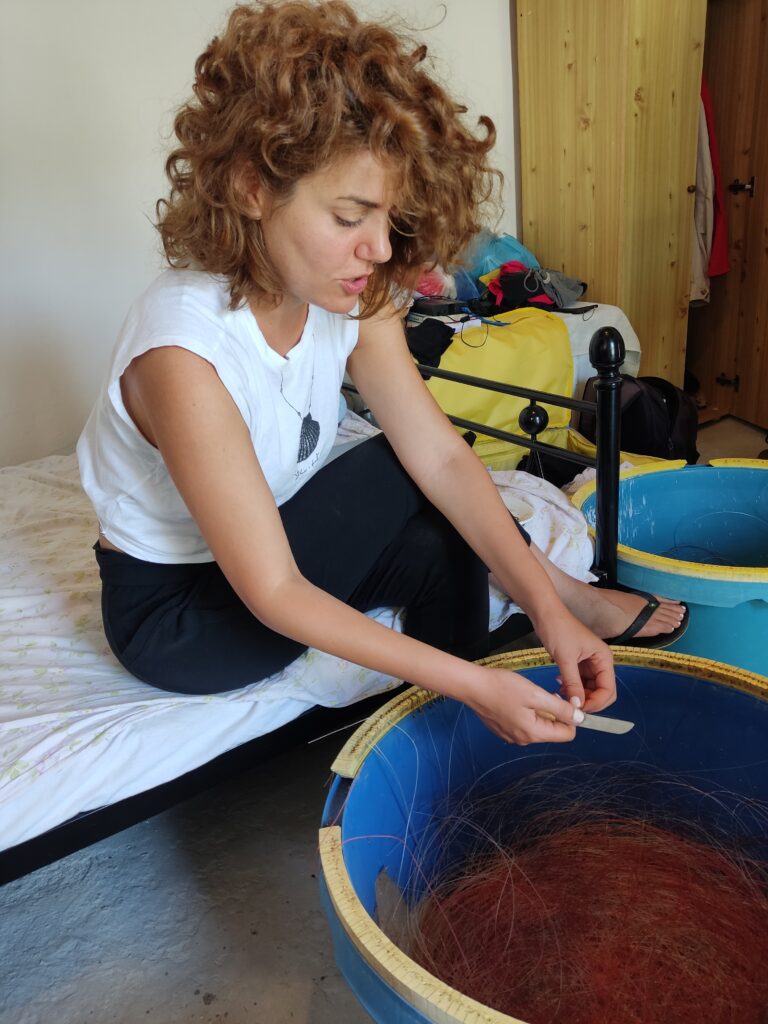
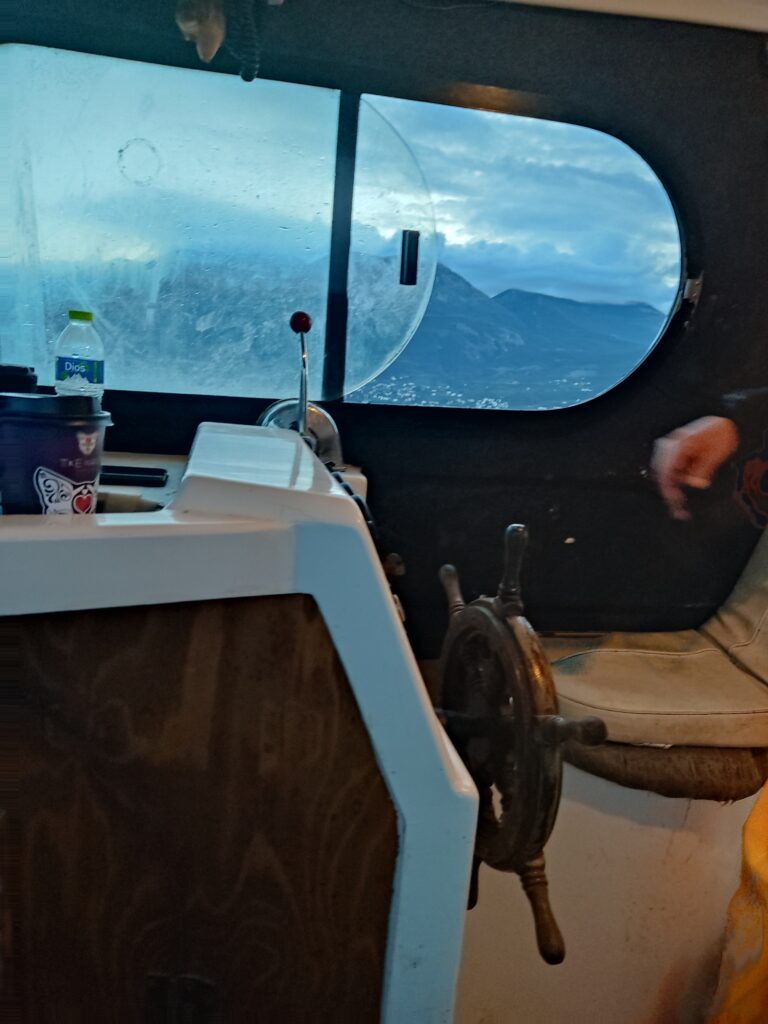
Although all these changes were challenging to some extent, they exposed me to a great many stimuli from an early age. I think this is why, later in life, I chose a profession that would constantly expose me to new experiences, movement, and variety — which is precisely what travel journalism offers.
In 2001, after graduating from high school, I took the university entrance exams and was admitted to my first-choice program, the Department of Social Policy and Social Anthropology at Panteion University. I went on to pursue a master’s degree in a related field, Anthropology and Cultural Politics, at Goldsmiths, University of London.
Anthropology did provide me with a strong academic foundation and a way of thinking rooted in participant observation, which later proved extremely useful in my career as a travel reporter.
My relationship with the press began during my university years, when I occasionally worked as a substitute proofreader for sports newspapers and publications owned by Giorgos Tragas (Derby and Traffic News, if I remember correctly).
It continued in 2007, after I completed my master’s degree, when I started working as a proofreader at Blow, a free-press newspaper owned by Giorgos Kyrtsos. At the same time, I worked as a website manager for the ERT television program “Reportage Without Borders” (Reportage Horis Synora). It was there that I conducted my first interviews, assisting the reporting team on two episodes — one about police violence and the other about recycling — effectively getting my baptism of fire in journalism.
In 2008, along with several other members of the Reportage Without Borders team, we moved to new offices, marking the launch of Stelios Kouloglou’s new digital venture at the time, tvxs.gr.
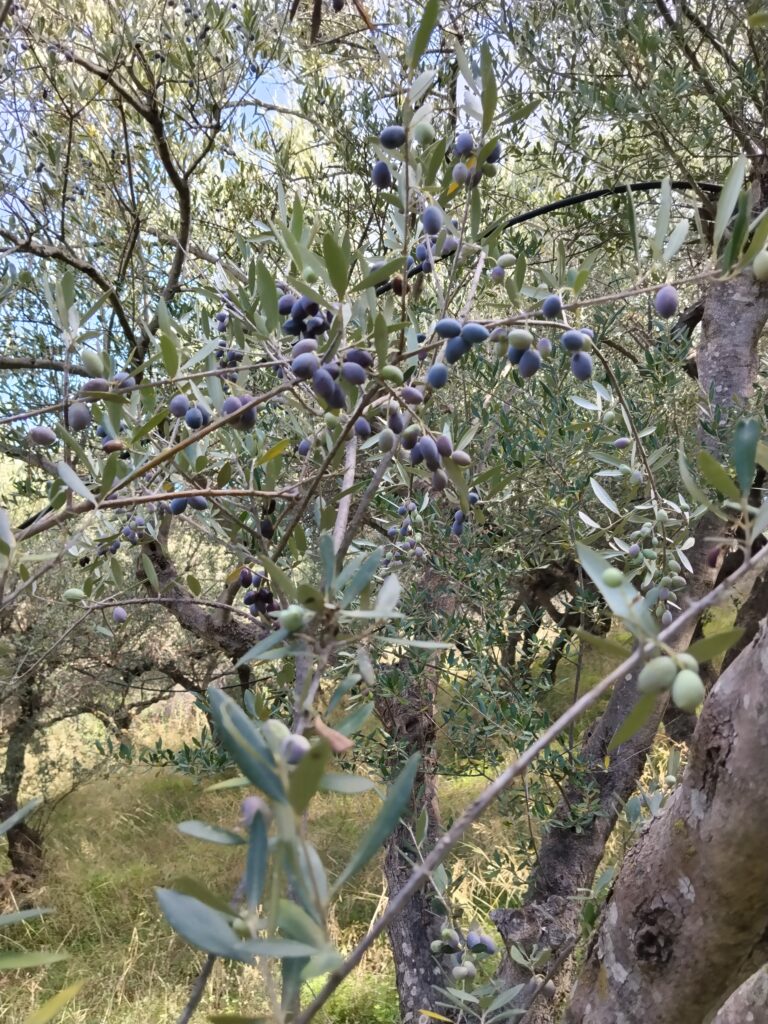
Between 2009 and 2014, I worked as a freelancer for magazines and newspapers, including K and Taxidia (“Travels”) of Kathimerini, Free Sunday, Athinorama Travel, and special publications by the Real Group. At the same time, I worked as an editor in the culture section of thepressproject.gr and collaborated with the British television network ITV, covering a trial in Patras involving British nationals.
Between 2014 and 2016, I was in charge of editorial content for the Sunday travel supplement Taxidi of the newspaper Ethnos. From 2016 to 2024, I worked in Kathimerini’s travel department, producing reportage for the Sunday magazine Taxidia, the travel series Topoi (“Places”), K magazine, and the group’s special publications, including GB Magazine of the Grande Bretagne Hotel, Costa Navarino Stories, Electra Magazine, the Greece Is series, Limited, K Gynaikes (“K Women”), and Ta Vouna Mas (“Our Mountains”). I also contributed to the websites kathimerini.gr, ekathimerini.com, and greece-is.com, as well as translating articles from The New York Times and foreign-language editions that were republished in Greek by Kathimerini.
In 2025, I collaborated with the travel magazine Diakopes (“Holidays”) and with tovima.gr, while toward the end of the year I began collaborating with travel.gr. For the past three years, I have also been involved in a major research project on the past, present, and future of Surveying and Topographical Engineering, part of which is available at polytexneio73pedia.gr. In 2019, I also became a full member of the Journalists’ Union of Athens Daily Newspapers (ESIEA).
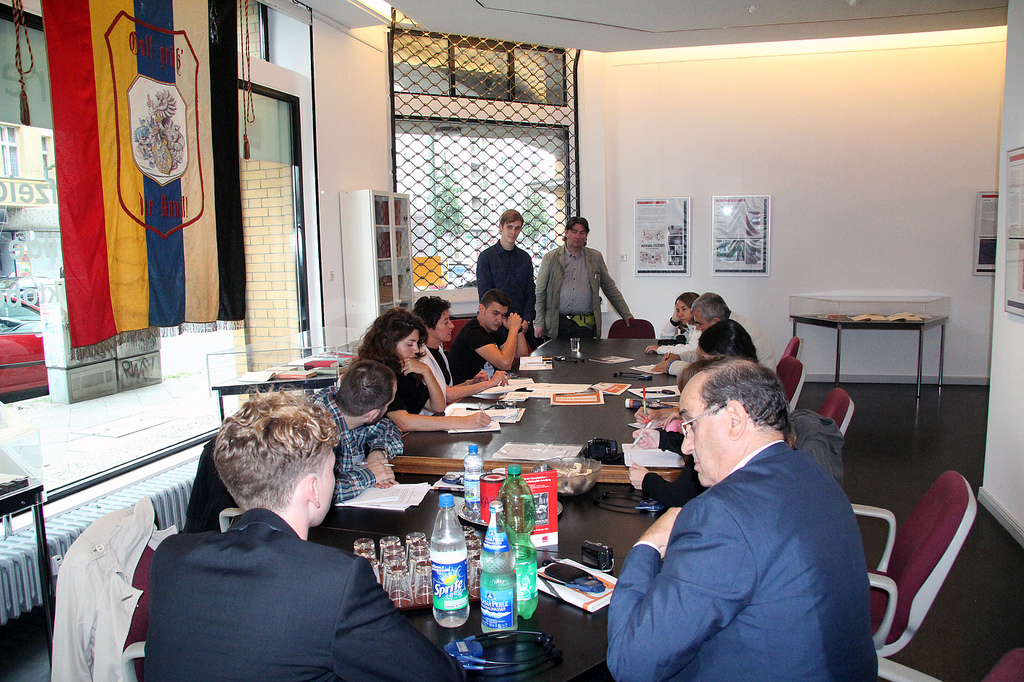
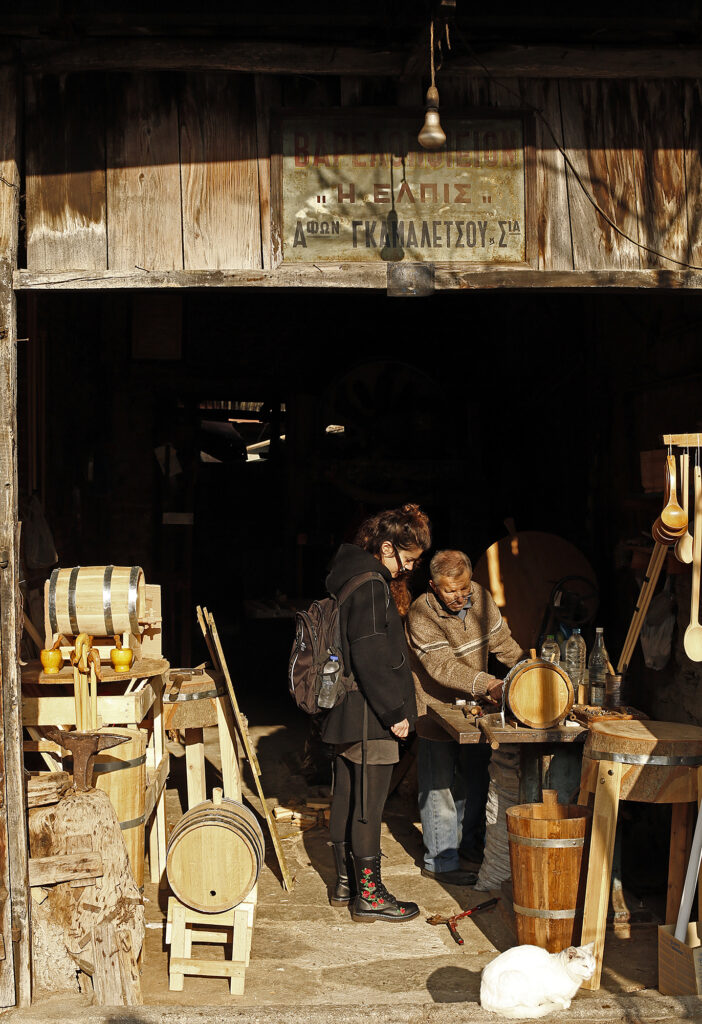
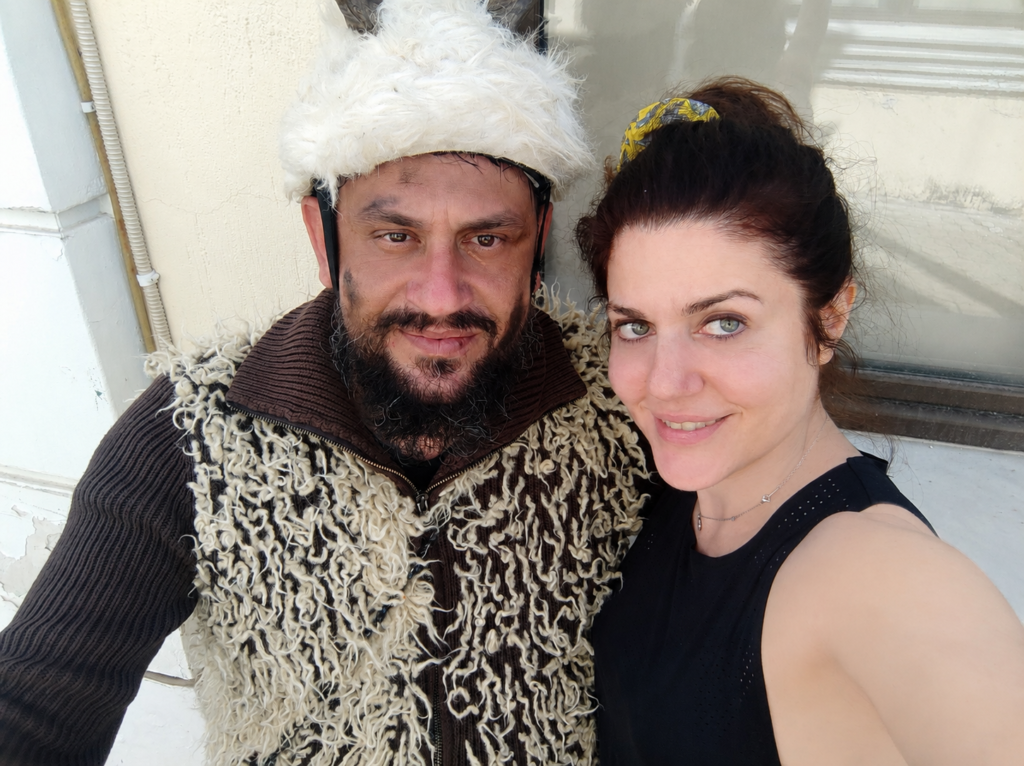
Over my 19-year career in the press, I have accumulated many memorable assignments: in Berlin, as part of a Greek-German friendship program, with visits to the Federal Foreign Office and the Wannsee Villa; in Venice, exploring the world of designer Mariano Fortuny; in villages in the Japanese countryside; on Mount Parnassus, reporting alongside shepherds from Tithorea; in Kalamata, with fishermen from the Messenian Gulf; and in Nymfaio, where one of my reports was later referenced in the Wiktionary entry for the Greek word pseudoparko.
More than anything, however, I single out two journalistic moments. Not because they were my best work, but because in both cases the work transcended the boundaries of journalism itself and made me a participant in something larger.
The first came in 2011, when I was working as an external contributor to K magazine of Kathimerini. It was a bleak period for the Greek press: magazines were struggling to survive, but beyond that, the identity and editorial character of K at the time did not suit me. It felt as though I was the wrong person in the wrong place.
That was when something happened that I am not sure is entirely appropriate, but is certainly remarkable. I wrote a feature, “Young, Educated, Struggling to Make Ends Meet” (November 2011), telling the stories of three people who were having difficulty finding work in their fields because of the economic crisis. A few days after it was published, businesswoman Kaiti Kyriakopoulou contacted Kathimerini, saying that she wanted to finance their studies. I know that this did happen in at least one of the three cases.
© Nikos Kokkas
The second moment came in July 2019. Shortly before taking my summer holiday, the editors of Taxidia, Kathimerini’s travel magazine, asked me to write an article about the “ethics of travel.” It was a particular moment in time — a year without crises, post-bailout and pre-COVID — when the concept of sustainability was gaining significant momentum in travel journalism. I wrote the article, submitted it, went on holiday, and at the end of the summer it was published under the title “How Ethical Are We as Travelers?” Much later, I happened to learn from a cousin of mine, who was a student at the time, that the article had been included in the National Question Bank for the final year of Greek high school. This means that, if a teacher wishes, they can use it in the classroom as teaching material for the course Modern Greek Language and Literature.
I created this website in the spring of 2026, a few months after completing the EKPA seminar on Google Ads, YouTube Ads & Analytics. I built it, on the one hand, to have a comprehensive portfolio and, on the other, to take a look at my own work shortly before reaching the 20-year mark of my career. To see where I started, which paths I have taken, and where I am today.
While gathering the material for the website, I noticed a major shift in my interests. In my twenties and thirties, I enjoyed reporting on the urban landscape, music, and art, whereas today, as I move through my forties, I find myself increasingly drawn to nature, the sea, primary production, and archaeology. Ten years ago, I took courses in translation and experimental writing; today, I am taking courses in marketing and the digital world. In other words, I am increasingly turning toward subjects that are more practical, applicable, or grounded in the real world. The course I took at the National and Kapodistrian University of Athens (EKPA) was instrumental in helping me build the website, because it gave me the confidence to actively engage with the digital landscape. It taught me how to find solutions to technical problems, eventually enabling me to purchase a domain name, web hosting space (in Germany), and backup storage (in France). I set up the pages, categorized the material, sourced photographs and links, and wrote and compiled the content that brings together my professional journey. All the material on the website, in both Greek and English, can be found under the Portfolio section.
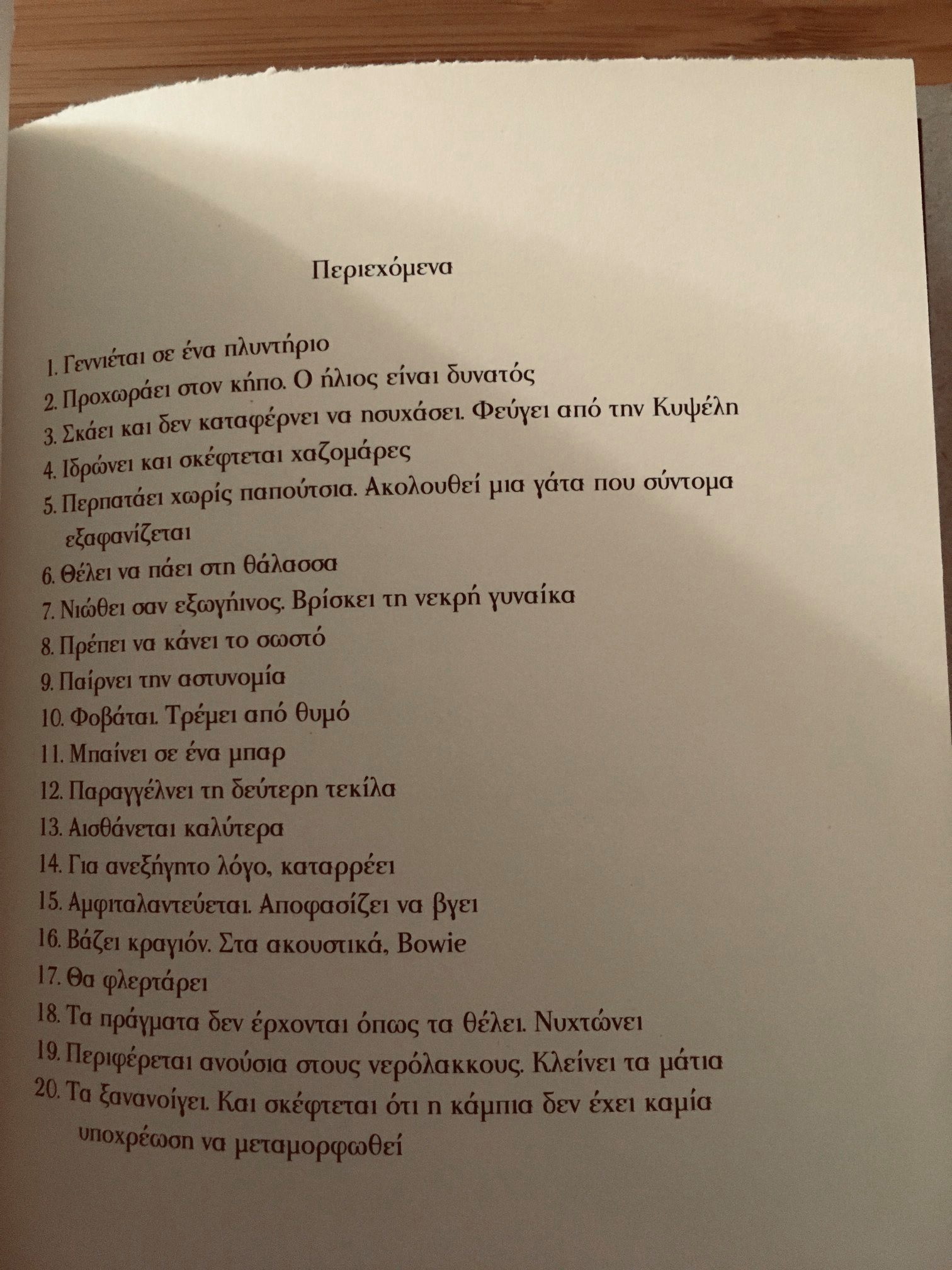
In addition to published articles, there are original pieces in the Blog section, as well as independent projects I have contributed to over the past decade. These include the article “Coronavirus Dreams and Quarantine Diary: Charting Personal and Collective Fears,” published in the journal Systemic Thinking & Psychotherapy. The most distinctive piece of all, however, is the short story The Birth, which I wrote in 2018–2019 as part of a translation and creative writing course.
Enjoy!
P.S. Over the past few years, I have found myself twice on the other side of journalism — not as the person asking the questions, but as the person answering them.
The first time was in 2024, in a feature organized by To Vima’s Historical Archive for the “Days 1972–1973” project, focusing on the contribution of Surveying Engineers to the Polytechnic uprising.
The second was in August 2026, in an article published by the Italian newspaper La Repubblica about the “mistakes” Italian tourists make when travelling abroad. It was a great pleasure and an honour to have my views featured alongside those of people with deep knowledge of gastronomy, such as Spanish writer and food critic Borja Beneyto (better known as Matoses), writer and Italian gastronomy expert Alessandra Pierini, and Japanese restaurant critic Takefumi Hamada.
Leave a Reply