The Venice of Fortuny and Guggenheim

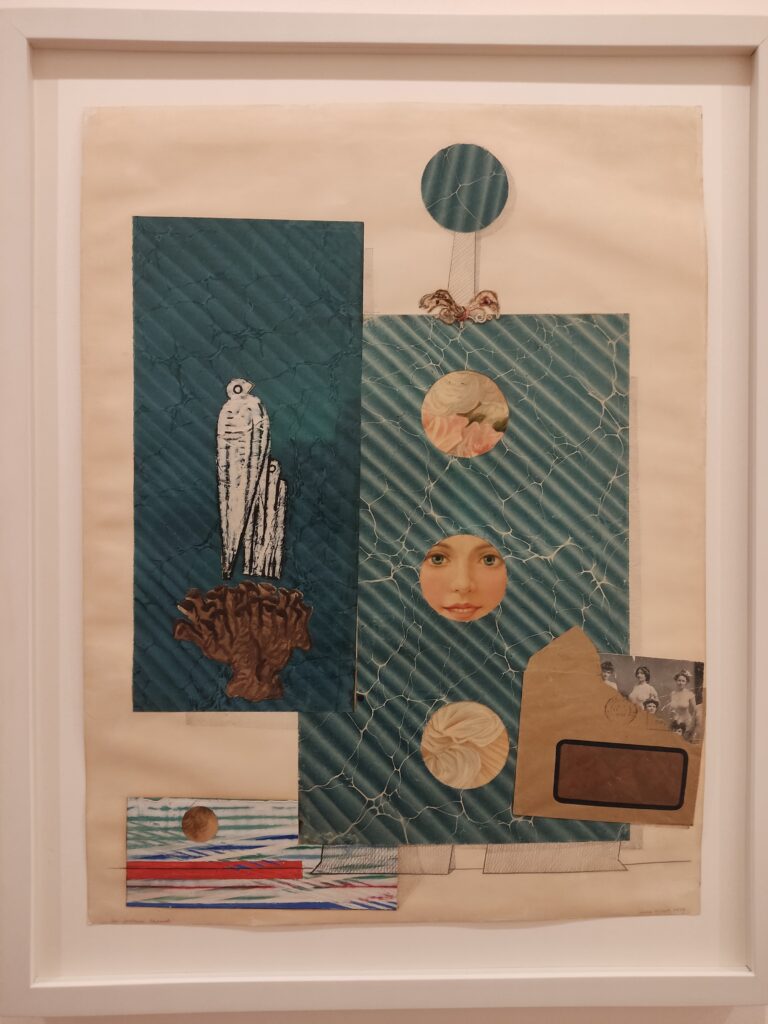
Where does the Venice of Dada and Surrealism hide? In Peggy Guggenheim’s museum of modern art, and in Max Ernst’s mixed-media works, such as “The Postman Cheval”, a collage combining oil, watercolor, graphite, ink, chromolithography, and fabric on paper
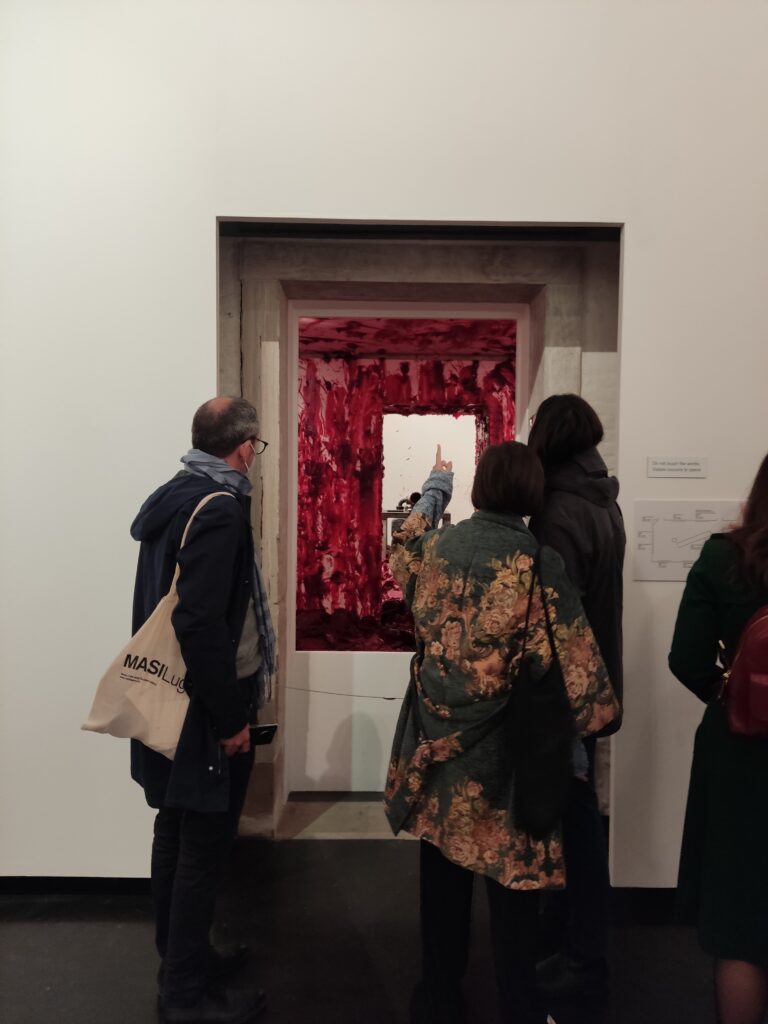
At the major Anish Kapoor exhibition (2022), presented simultaneously at the Gallerie dell’Accademia and Palazzo Manfrin
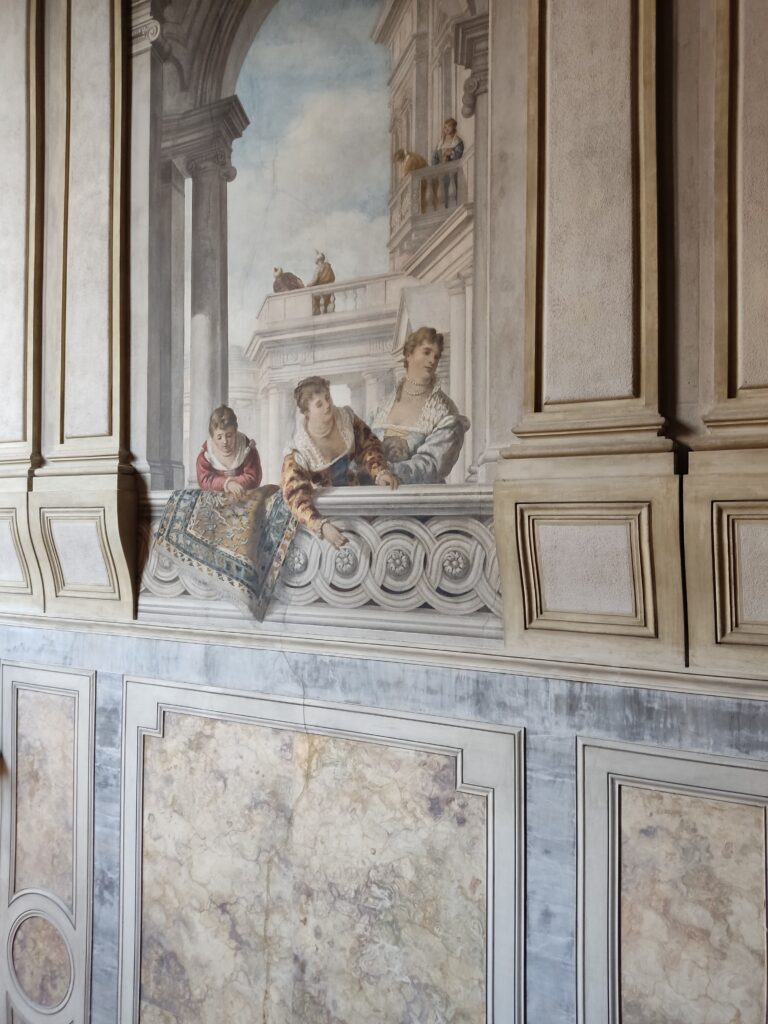
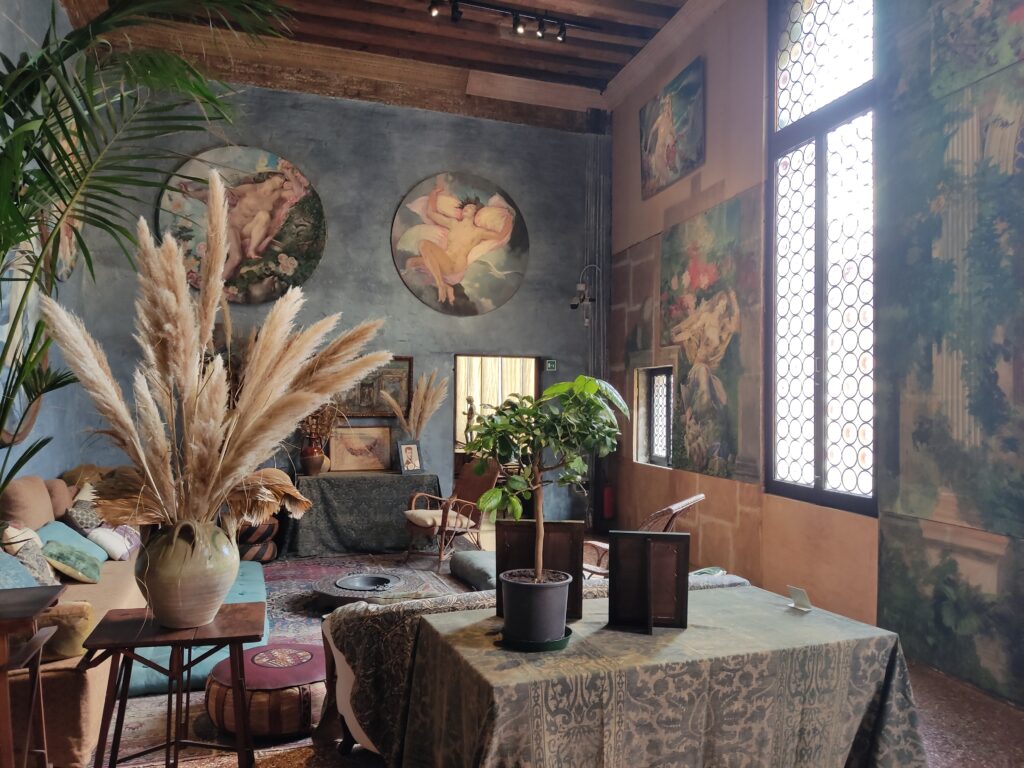
Museo Fortuny. The museum in Campo San Beneto is housed in the home-studio of Venice’s most singular designer, Mariano Fortuny. Together with his partner, Henriette Nigrin, he left an indelible mark on European fashion during the first half of the 20th century. They created their own textiles, designed haute couture garments and decorative objects, and staged theatrical fashion presentations in which the models were invited to function more as performers, revealing the garments through choreographed movement. The Fortunys absorbed into their work a distinctly Venetian world of beauty, inspiration, visual harmony, introspection, and secrecy (their refusal to disclose the techniques behind their fabric treatments has become almost legendary)
Bar Dandolo at the historic Hotel Danieli — temporarily closed due to renovation and its reopening under Four Seasons management
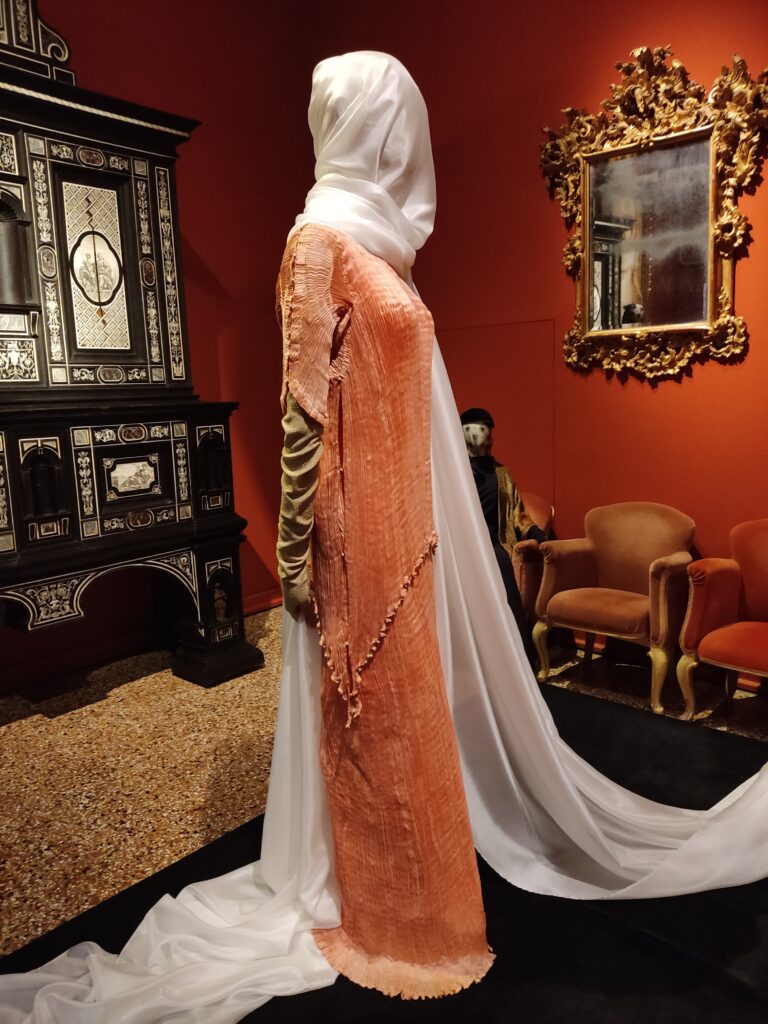
Fortuny was deeply influenced by the Greek excavations and the discoveries unearthed at Greece’s major archaeological sites. One of his most celebrated creations is the Delphos gown, inspired by the Charioteer of Delphi, which is now considered a collectible work of art
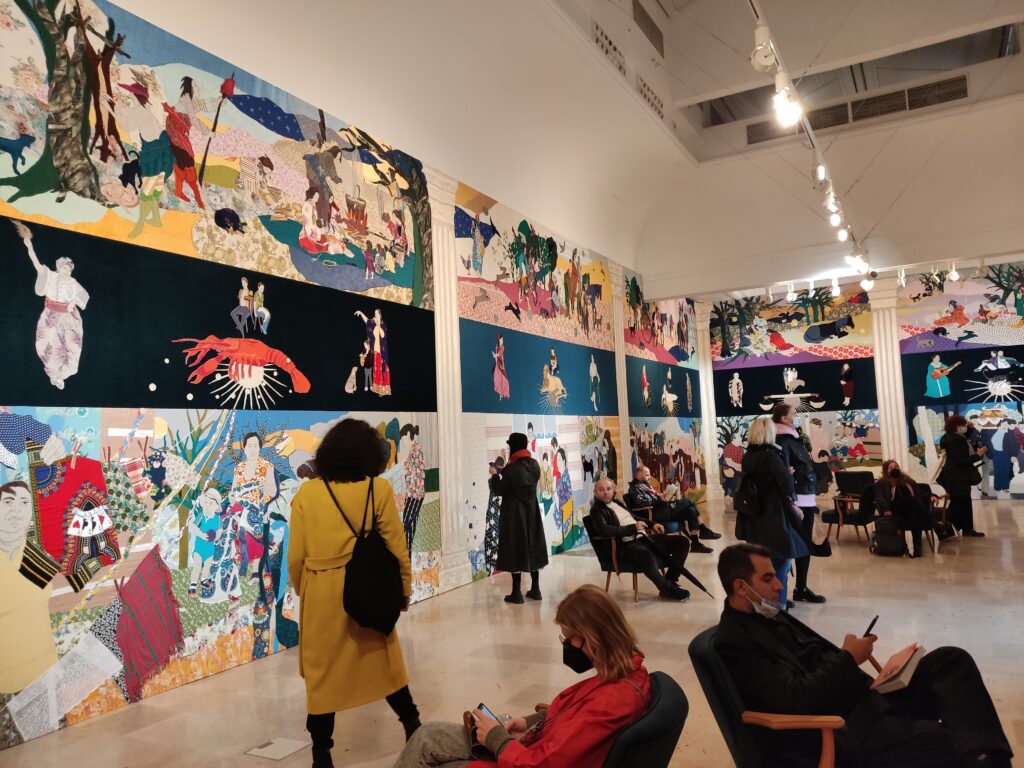
Małgorzata Mirga-Tas, of Polish and Roma heritage, represented Poland at the 2022 Venice Biennale with the installation “Re-enchanting the World: Homecoming”. The face masks worn by visitors are a reminder that Covid-19 was still very much present in our lives
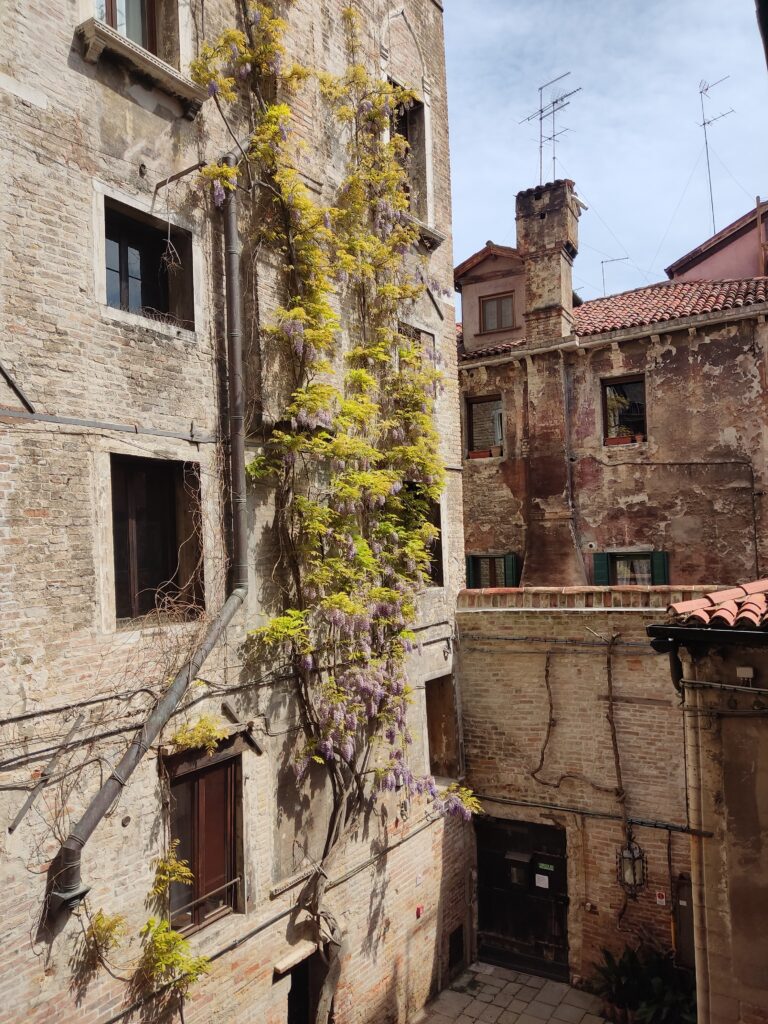
Venice’s architectural heritage is unparalleled, with towering stone palazzi built between the 10th and 18th centuries. Descendants of Italian noble families often continue to live in part of a palace they inherited or acquired, while renting out the rest (this is the case with Aman Venice, for example: the hotel occupies certain wings of Palazzo Papadopoli, while the rest remains the residence of Count Giberto Arrivabene Valenti Gonzaga and his family)
Figures from Venice’s past…
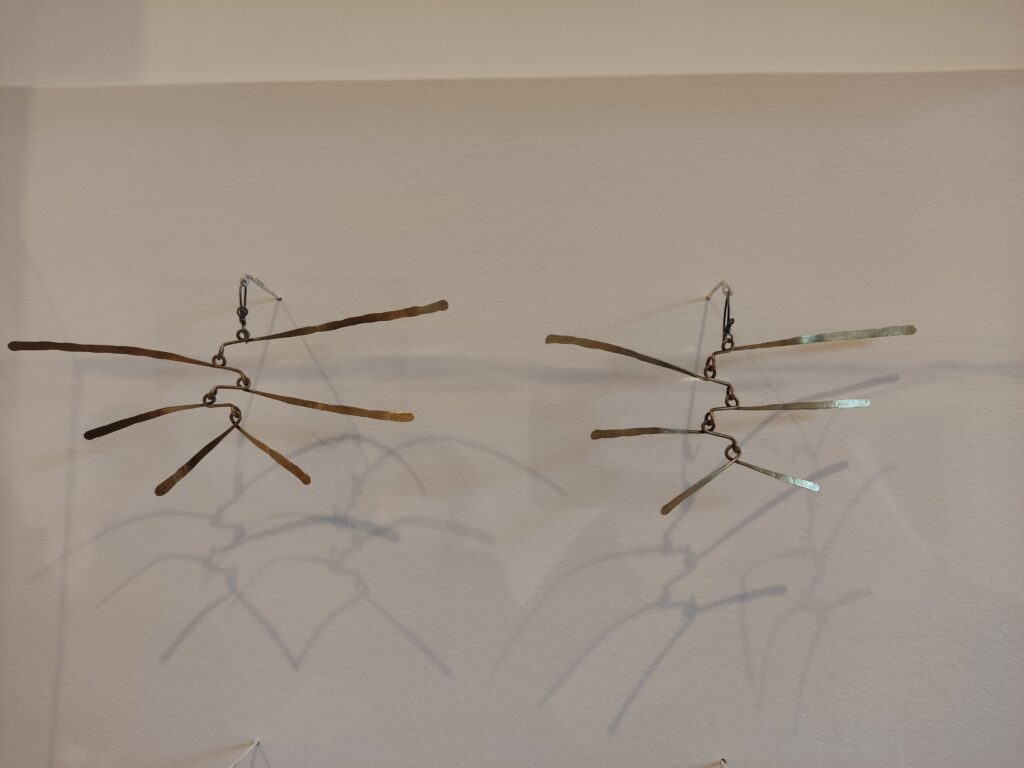
“Earrings for Peggy Guggenheim”, ca. 1938. A work by Alexander Calder at the Peggy Guggenheim Collection. One of Venice’s most popular destinations for art lovers, the Guggenheim museum is housed in Palazzo Venier dei Leoni on the Grand Canal, which also served as Peggy’s home for thirty years
Resurrection service at the Orthodox Church of Saint George, on dei Greci (“of the Greeks”) street
Museo Fortuny, the space where the designer built his creative empire alongside Henriette Negrin. The brand is now owned by the Riad family. It is considered Venice’s last active textile manufacturer

Comments

Leave a Reply

Your email address will not be published. Required fields are marked *