Initially I wanted an equal number of pros and cons, but in the end, the former won out: 8 ‘advantages’ and 5 ‘disadvantages’ is the travel verdict of a weekend in Methana, which pass with flying colors.
Pro: the sense of hospitality; Con: the lack of professionalism
Methana is an old-school destination that maintains a matching philosophy of hospitality. The locals invest in personal contact with the customer; they are present, ask questions, chat, and genuinely seem to care. In other words, they rely on real communication. They prefer to be warm, even if they occasionally overdo it with excessive expansiveness, rather than feel they haven’t shown enough care.
On the other hand, the idea that the studio or room you booked via Booking belongs to a sweet, distant aunt and that you aren’t a customer but a relative is a nice illusion—because you are a customer and you are paying for your stay. However, when this welcoming and warm ‘aunt’ neglects to clean the room and you are forced to forcefully activate your inner carefree hippie, things go wrong. A dirty room is a major foul.
Pro: a good coffee; Con: the gastronomic scene
An unexpectedly great Freddo Cappuccino that rivals those in Athens was what we had at ‘Paliokatastasi’, a seaside spot right in the settlement of Methana. Kudos to the barista!
Regarding the gastronomic scene, our negative review is based on our personal experience rather than exhaustive research, which means there might be exceptional spots with much better food. However, at the tavernas where we sat, the dishes barely passed muster: watery fava beans, overcooked string beans, mediocre lamb chops, and unacceptable mussels. The biggest disappointment in the culinary department was the sight of two elementary school kids working as waiters in one of these tavernas. The mindset that children should work from a young age and share family burdens is old, outdated, and has no place in today’s world.
Pro: Vathy
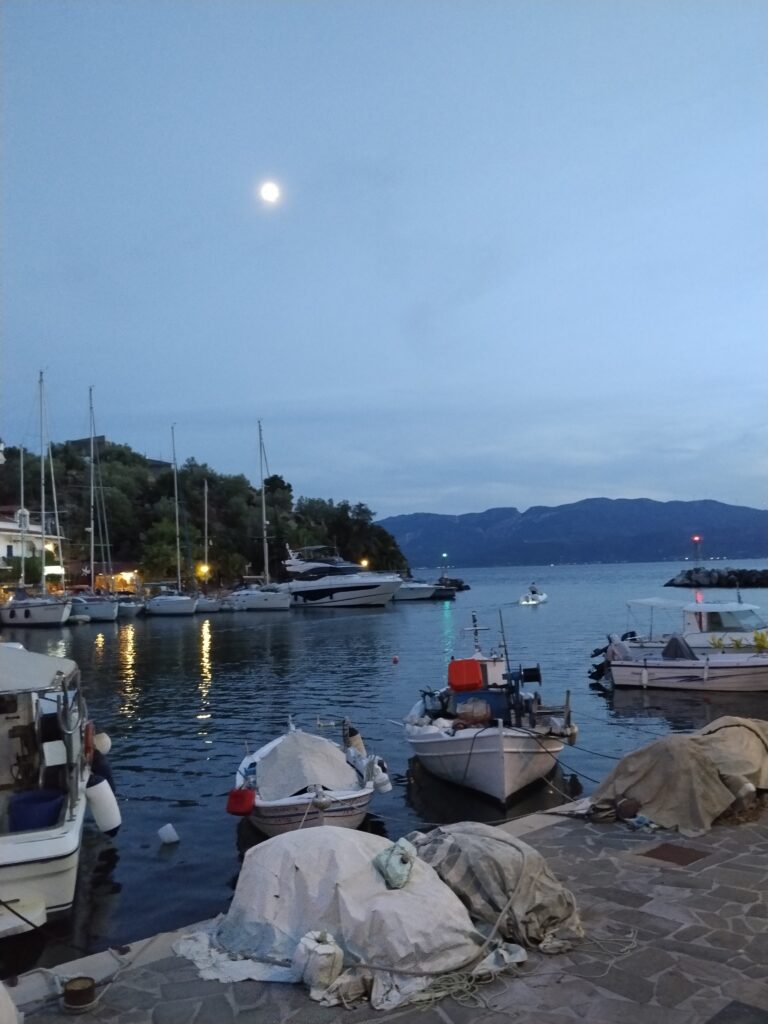
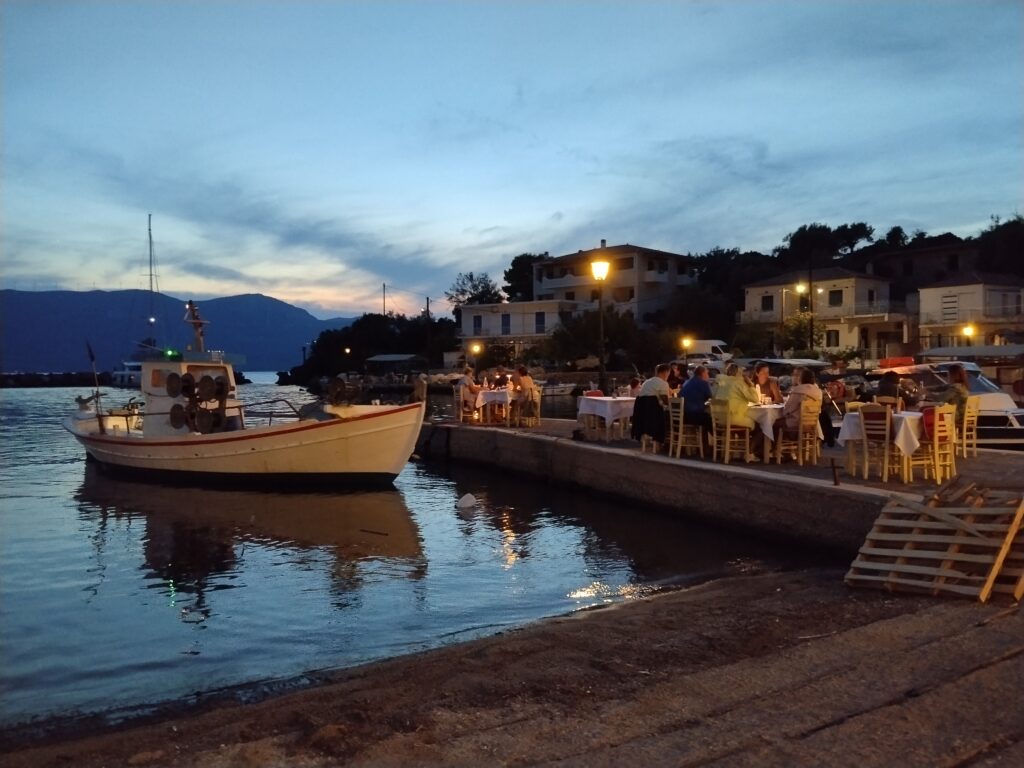
The fishing village of western Methana, facing the coasts of Argolis and washed by the Gulf of Epidaurus. What charm, what a promenade, what snapshots of a boat captain chatting away with a group of diners at a table covered with a white tablecloth, only to start up his engine a little later and vanish into the blue horizon for night fishing.
Pro: Sweet nostalgia; Con: Excessive nostalgia
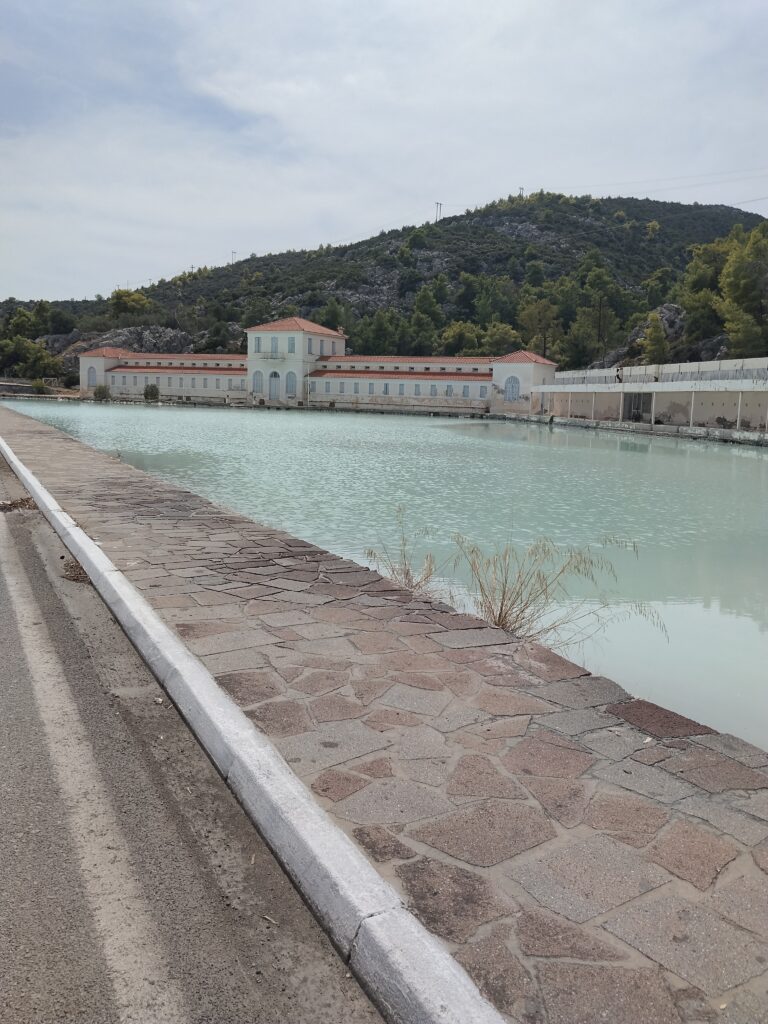
The old hydrotherapy center at the entrance of the settlement, with the ‘pool’ where the milky water from the sulfur spring collects. Glamour, luxury, arched windows and doors, and unexpected shades of blue and green. A rare image that lends an Austro-Hungarian elegance to this Saronic Gulf peninsula.
The abandonment of the aforementioned hydrotherapy center. Distressed beauty is all well and good, and daydreaming about a glamorous yesterday is nice too, but the sight of an abandoned thermal complex right at the entrance, so to speak, of the Methana peninsula does not evoke any pleasant associations. On the contrary, it makes you think that the past here was much more interesting than the present.
Pro: The ‘old-timers’ of the thermal baths
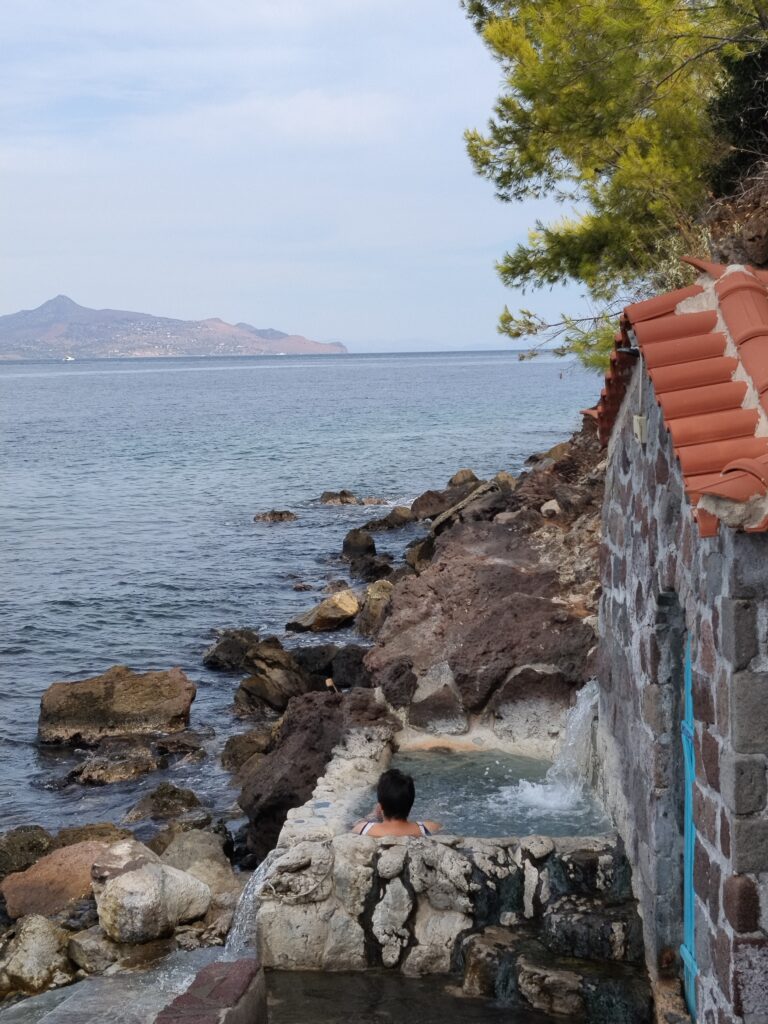
If Methana is known for anything, it is its thermal springs. Arriving at Pausanias’ baths, in Agios Nikolaos Kounoupitsas, we found a queue. There was the group of three, the solo visitor with short hair, followed by us, then two female friends from abroad, another solo guy with long hair and a motorbike, and so on. Each group was allowed to stay in the pool—where water from a sodium chloride spring flows—for a quarter of an hour. The idea that all of us thermal-spring fans were waiting patiently to enjoy a free thermal service from springs that were recorded some twenty centuries ago, as far back as the time of Pausanias, is, I dare say, touching.
Pro: The ‘newcomers’ of hiking and the volcano
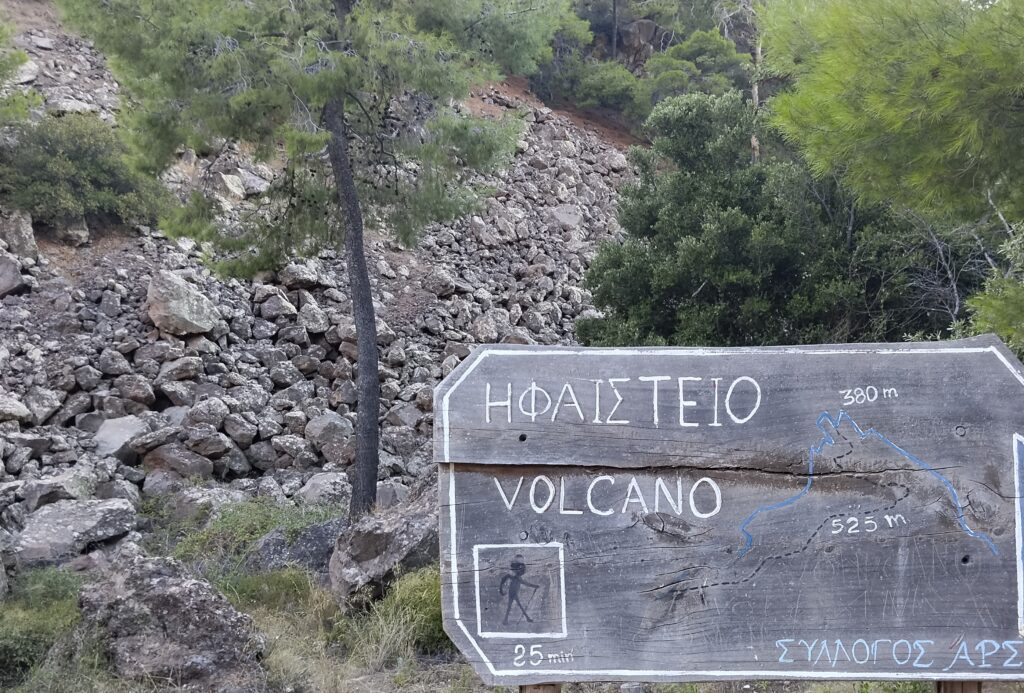
It has been a few years since the geological wealth of Methana began to be promoted through the development of hiking trails in the island’s interior—amidst landscapes of olive trees, pine trees, and dry-stone walls, overlooking reddish heaps of volcanic stones. Personally, I prefer thermalism over hiking, but for those who love exploring dirt tracks and getting lost in the forests, Methana offers a different, higher-quality experience than usual.
Pro + Con: The beaches
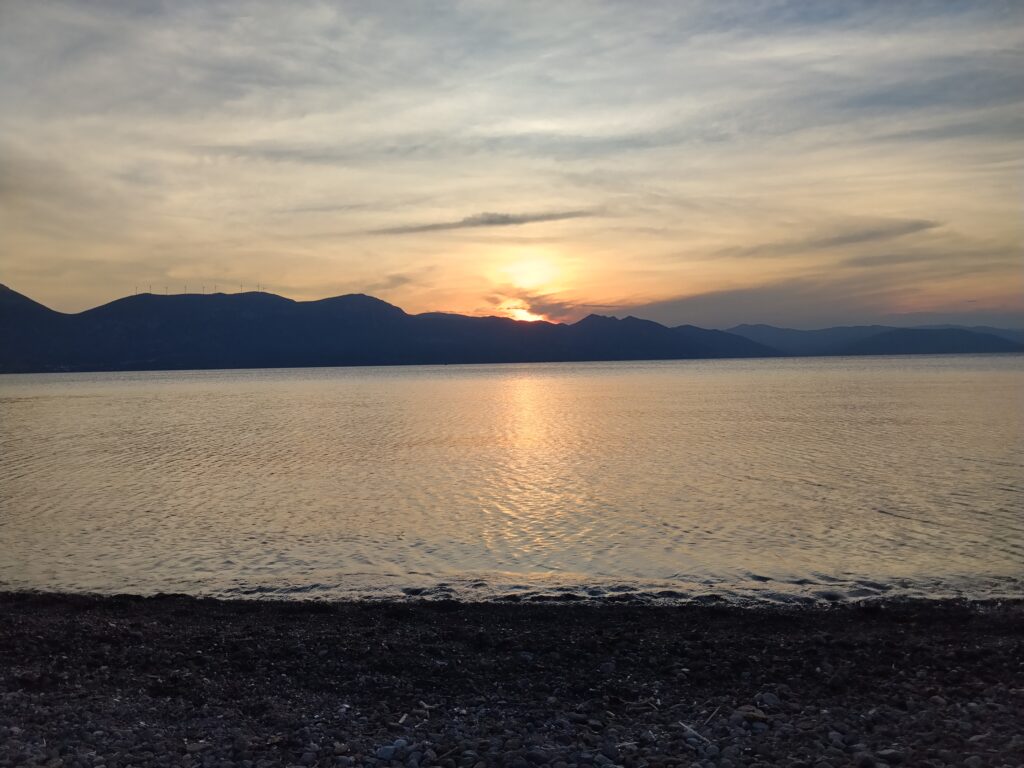
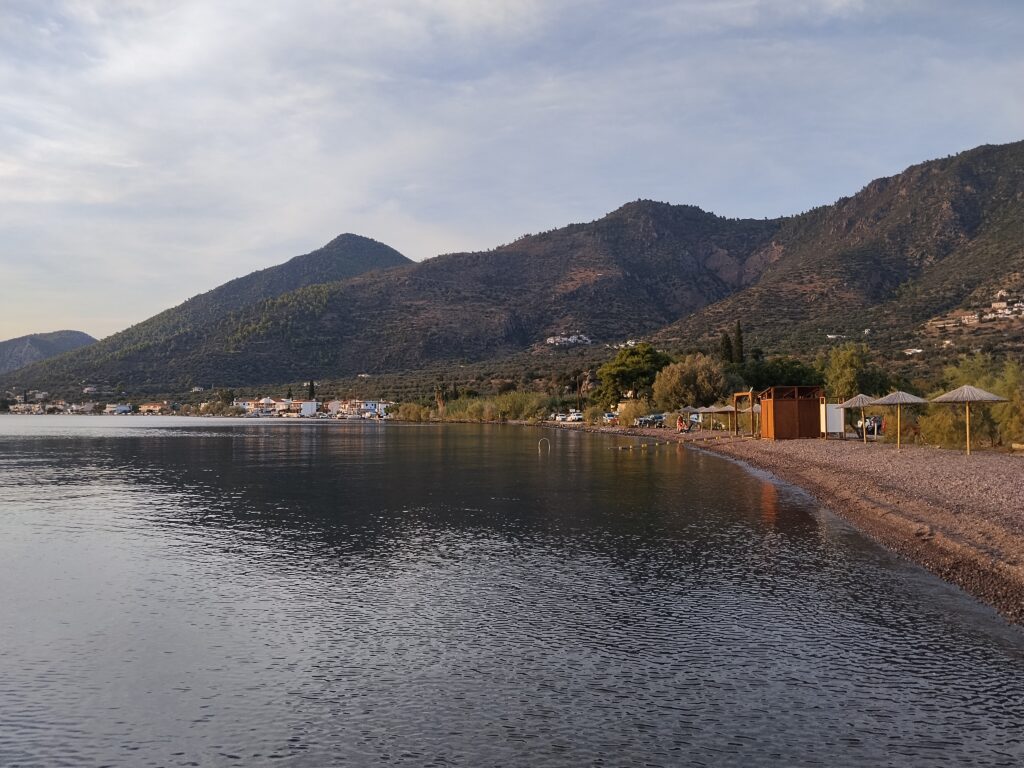
There aren’t many, nor are they amazing. Yet a swim at Megalochori beach, near Vathy, with its huge pebbles and breathtaking sunset, is unforgettable, my friends.
Pro: Care and order
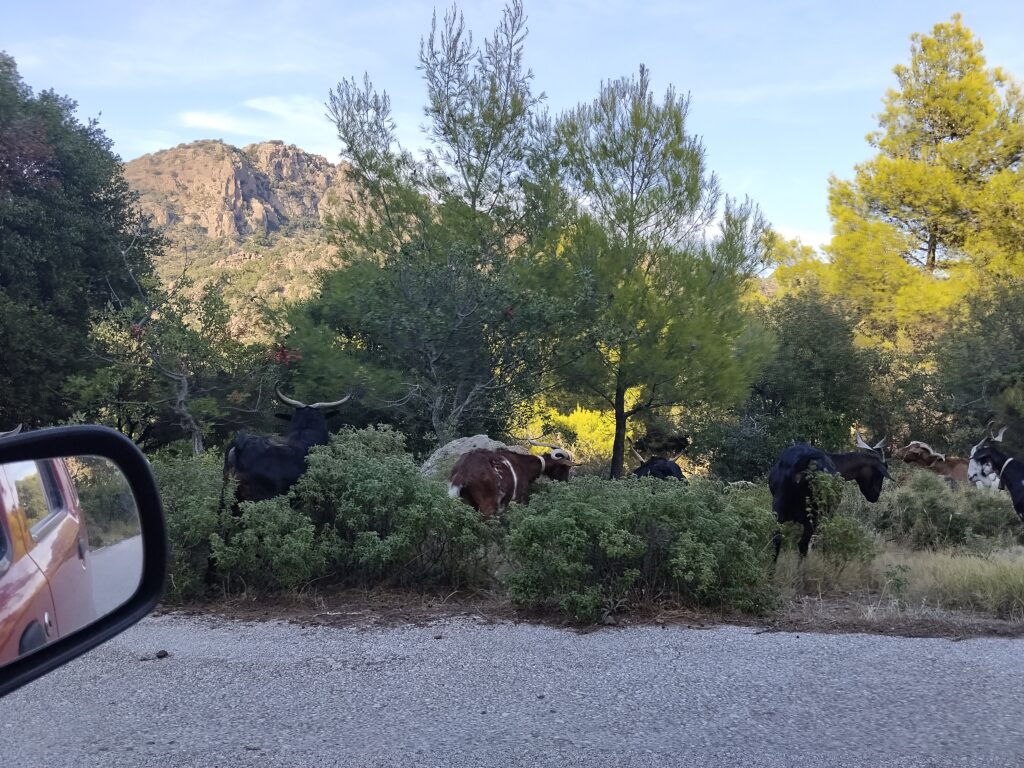
It’s not the perfect island, nor are the infrastructures flawless everywhere. Yet Methana is a reasonably clean destination, with lighting and well-maintained promenades, where when there is a rain-carved washout on the road, someone lends a hand to place a cone, helping drivers avoid falling into the pothole—something that is by no means a given in the Greek countryside. We were very favorably impressed by the ramps with a seat and mechanism for people with disabilities (PWD) on some of Methana’s beaches.
Con: The difficulty in changing
The essence of a two-day trip, which included walks across much of the island, mini-hikes, road trips, swims, and interactions with quite a few locals, is that Methana has all the prerequisites to gain additional travel visibility, attract the nature-loving audience that suits them, and generally enter a new era—provided they are more open to change. We want hospitality, human contact, and homey warmth; we want untamed nature and mild development, but we also want better services, upgraded amenities, and a mindset that breaks away from the 1960s and embraces modern professionalism.
Leave a Reply